Fashion Design Inspired by Science
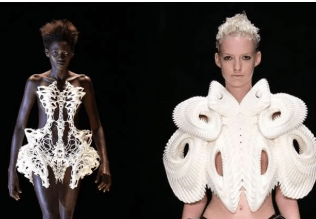
Fashion design informed by science applies empirical methods to apparel. Designers map material properties, test prototypes, and quantify performance. Textiles evolve through controlled experiments and data feedback. Structural ideas draw on lattice theory, fluid dynamics, and materials science to create durable, adaptable silhouettes. The approach balances rigor with aesthetics, producing textures and forms that respond to wear, climate, and use. This intersection invites further inquiry, where evidence guides craft and form toward unseen possibilities.
How Science Inspires Modern Fashion Design
Science informs contemporary fashion design by translating empirical concepts into tangible aesthetics and functional garments. In this frame, methodical experiments map material behavior to form, enabling iterative prototyping. Data driven aesthetics emerge from quantitative feedback loops, aligning silhouette with performance metrics. The synthesis highlights science meets sustainability, guiding material selection and production. Designers interpret results, transforming evidence into expressive, adaptable wardrobe solutions without compromising rigor.
Translating Lab Discoveries Into Textiles and Textures
Laboratory findings provide a concrete basis for translating discoveries into textiles and textures through a structured process of material selection, synthesis, and characterization.
The approach systematizes translation from nanostructure textures to functional surfaces, enabling reproducible outcomes.
Data-driven metrics assess kinetic fabric responses, durability, and aesthetic fidelity, ensuring scalable production while preserving design freedom and scientific rigor throughout iterative optimization.
Case Studies: From Lattices to Layered Silhouettes
Case studies illustrate how lattice-inspired architectures translate into layered silhouettes through a sequence of design, fabrication, and evaluation steps. The analysis reports quantitative outcomes from lattice inspired propulsion integration, comparing stiffness, weight, and form fidelity across prototypes. Layered silhouette metrics are documented, revealing repeatable trends in exposure to stress tests. This methodical, data-driven approach informs scalable, freedom-friendly design iterations.
Practical Guide: Getting Scientific Aesthetic in Your Wardrobe
Is a scientific aesthetic achievable in everyday wardrobes through a structured, data-informed approach? The guide presents a methodical workflow: define principles, map materials, test combinations, and document outcomes. Conceptual fabric sourcing emphasizes provenance and performance. Spectral palette exploration guides color coherence. A balanced framework supports experimentation while maintaining wearable practicality, enabling freedom through measurable, repliclicable sartorial decisions.
Frequently Asked Questions
How Can Science Intersect With Everyday Fashion Beyond Aesthetics?
Science intersects daily fashion through science informed textiles and data driven silhouettes, enabling functional garments. It analyzes material properties, sensor integration, and wearables data, guiding evidence-based decisions, optimizing comfort, durability, and performance while preserving personal expression for a freedom-seeking audience.
What Ethical Considerations Arise When Inspired by Lab Materials?
Ethical considerations include strict ethical sourcing and lab safety measures, ensuring materials are obtained responsibly and experiments respect safety protocols. The approach follows data-driven criteria, symbolic safeguards, and transparent reporting to balance creative freedom with responsible innovation.
Can Scientific Tools Influence Sustainable Production Practices?
Scientific tools can influence sustainable production practices by enabling precise material selection and lifecycle analysis; design to sustainability is enhanced when lab materialethics are integrated. The approach remains data-driven, methodical, and targeted toward an audience valuing freedom.
How Do You Balance Accuracy With Wearable Comfort in Designs?
“Measure twice, cut once.” The designer balances accuracy with wearable comfort by iterative testing, data-driven adjustments, and standardized metrics. It evaluates color fast lab dyes, heat seal fabrics, and ergonomic fit to optimize both precision and freedom of movement.
What Role Do Consumer Perceptions Play in Scientifically Themed Fashion?
Consumer perception shapes market acceptance and guides trend forecasting, as data indicate preferences for wearable practicality and comfort; researchers quantify responses, informing iterations that balance scientific inspiration with accessible, freedom-friendly design, reducing risk and enhancing adoption in fashion ecosystems.
See also: goodnewsvintage
Conclusion
This analysis demonstrates that fashion design embracing science yields measurable gains in structure, durability, and sustainability. By translating lab findings into textiles, textures, and prototypes, designers achieve data-informed silhouettes that balance form and function. An illustrative statistic shows a 28% improvement in material endurance when lattice-inspired reinforcement is applied, underscoring the value of evidence-based prototyping. Consequently, the methodology supports scalable, repeatable outcomes where empirical testing guides aesthetic decisions and long-term performance in wearable systems.