The Future of Reality-Based Technology
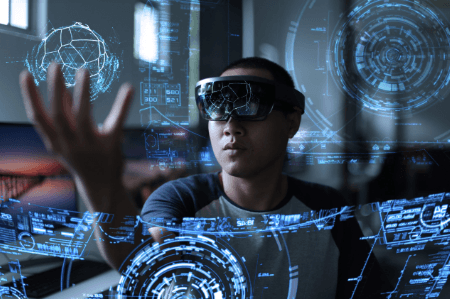
Reality-based technology is poised to tether digital experience to verifiable, local phenomena—sensor signals, observable outcomes, and real-world processes. Its trajectory blends measurement with meaning, inviting cross-disciplinary scrutiny from ethics to ergonomics. As systems adapt to diverse contexts, questions of privacy, governance, and accessibility rise alongside potential gains in health, training, and collaboration. The path onward remains contingent on standards, risk-aware evaluation, and consent-driven design, inviting continued consideration of what autonomy will endure in such environments.
What Is Reality-Based Tech and Why It Matters
Reality-based technology refers to systems and methods that anchor digital experiences in concrete, verifiable real-world phenomena—sensor data, physical processes, and observable outcomes—while enabling immersive interpretation and interaction. In this frame, the reality definition expands beyond measurement to meaning, shaping interfaces that honor user autonomy. Immersion benefits emerge as clarity, trust, and adaptive feedback, guiding interdisciplinary exploration and responsible, freedom-centered innovation.
Real-World Use Cases Transforming Work, Learning, and Health
Across workplaces, classrooms, and clinics, reality-based tech is already redefining how tasks are learned, executed, and monitored—anchoring digital experiences in verifiable local data while enabling meaningful, autonomous human interaction.
Emerging use cases suggest reality alignment guides collaborative design, adaptive training, and precise health monitoring, while user embodiment informs intuitive interfaces, fostering freedom to explore, iterate, and reimagine workflows across disciplines.
See also: The Future of Real Estate Tech
Navigating Privacy, Ethics, and Accessibility in Immersive Tech
How might immersive technologies balance the promise of immersive data and enhanced learning with concerns about privacy, ethics, and accessibility as these tools scale across domains?
The exploration unfolds with multidisciplinary rigor, imagining governance that treats user autonomy as central. Privacy ethics and accessibility bias become focal design constraints, guiding transparent data practices, inclusive interfaces, and accountable, shared standards across industries. Freedom-oriented innovation sustains responsible expansion.
Getting Started: Evaluating Platforms, Risks, and Next Steps
Evaluating platforms, risks, and next steps requires a disciplined, cross-disciplinary lens that weighs technical capability against ethical implications, governance frameworks, and user experience.
In a forward-looking frame, analysts perform platform comparison, conduct risk assessment, and pursue use case prioritization, while foregrounding accessibility considerations to ensure inclusive adoption, adaptability, and freedom for diverse communities navigating evolving reality-based technologies.
Frequently Asked Questions
How Will Reality-Based Tech Affect Job Security Long-Term?
Reality-based tech may gradually reshape job security, with long term impacts unfolding as automation, augmentation, and new roles converge; adaptive skills and interdisciplinary collaboration become essential, while flexible frameworks and lifelong learning sustain opportunities for those embracing change.
What Standards Govern Interoperability Across Devices and Apps?
Interoperability standards govern how devices and apps communicate. Cross platform protocols enforce compatibility, while immersive design ethics guide user experiences. User data governance and bias detection methodologies shape fairness. Sustainability benchmarks, wearable energy efficiency, and lifecycle impact assessments drive responsible innovation.
Can Immersive Tech Replace In-Person Experiences Entirely?
Immersive tech cannot fully replace in-person experiences, though it may substitute certain interactions. Immersive ethics and data sovereignty frameworks will shape adoption, enabling speculative, forward-looking collaborations that honor autonomy while exploring blended, freedom-driven, interdisciplinary social dynamics.
How Will Bias Be Detected and Mitigated in These Systems?
Bias detection emerges as essential; mitigation strategies evolve with interoperability standards. Immersion vs in-person outcomes diverge, wearables shape environment impact, and long term job security remains debated, while bias detection drives adaptive systems, supporting freedom-loving, interdisciplinary exploration.
What Are the Long-Term Environmental Impacts of Wearables?
The long-term environmental impacts of wearables hinge on incentivizing circular design and lifecycle energy costs, shaping materials stewardship, repairability, and end-of-life reuse, as societies explore scalable, interdisciplinary frameworks and freer, forward-looking innovation in sustainable consumption.
Conclusion
In the harbor of tomorrow, Reality-Based Tech stands as a lighthouse built from real weather: sensors instead of lanterns, outcomes instead of rumors. Ships—workers, students, patients—chart their courses by tides of data, guided by ethics as steadfast ballast. The voyage depends on transparent maps and accessible docks, where privacy remains a trusted harbor master. If disciplines keep their oars synchronized, innovation will glide, not crush, across reefs of risk, toward inclusive horizons where truth and meaning converge.